
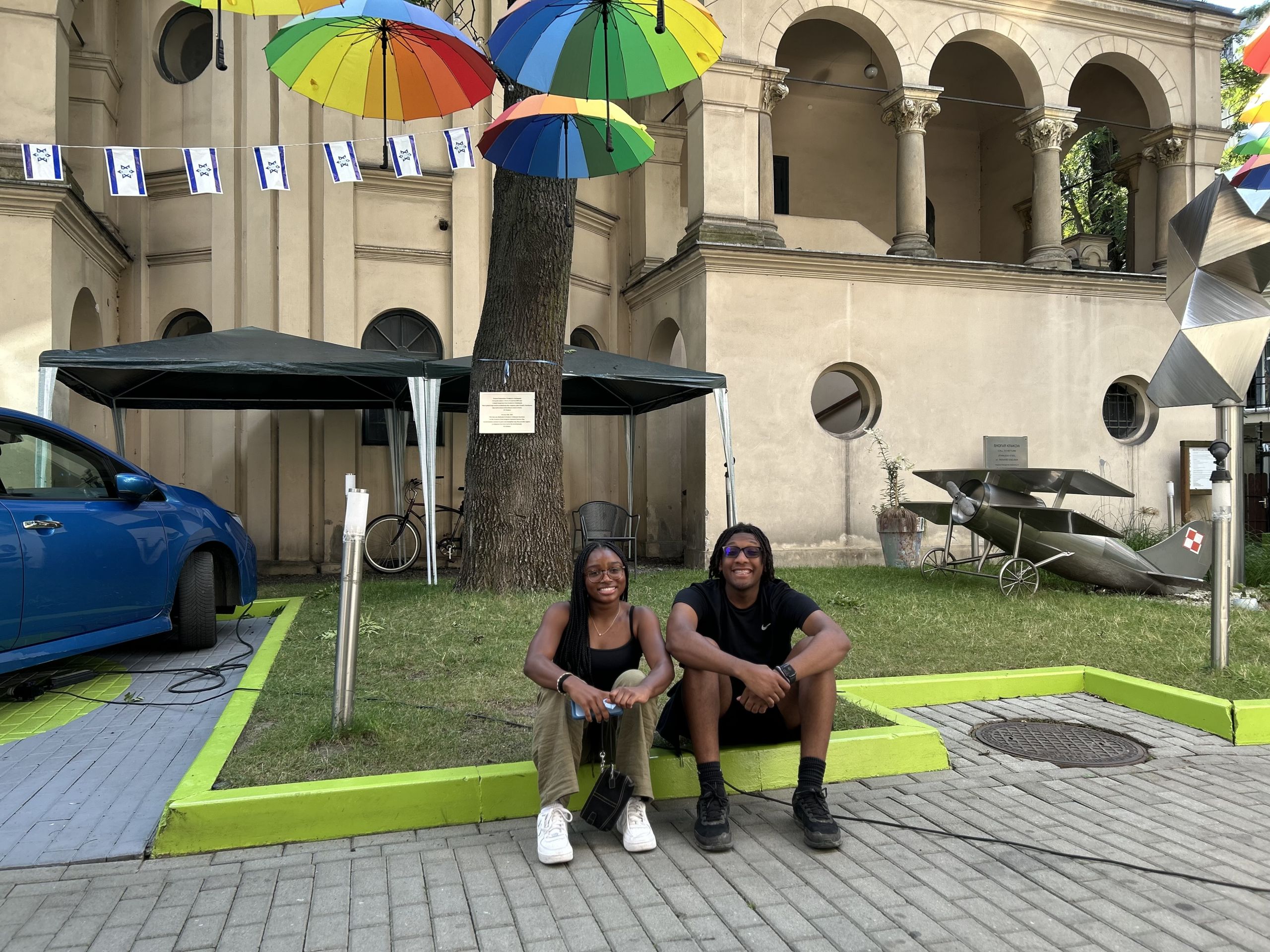
Kennedy pictured on left with cohort fellow Jordan on right
By Class of 2026 ECYP Fellow Kennedy
My experiences traveling to Eastern Europe to learn about Jewish culture, as well as traveling down South to hear more about the civil rights movement, have shaped the kind of leader I want to become. On both trips, I was shown powerful examples of what strong leadership looks like—and the devastating consequences that arise when leaders or entire communities fail to act.
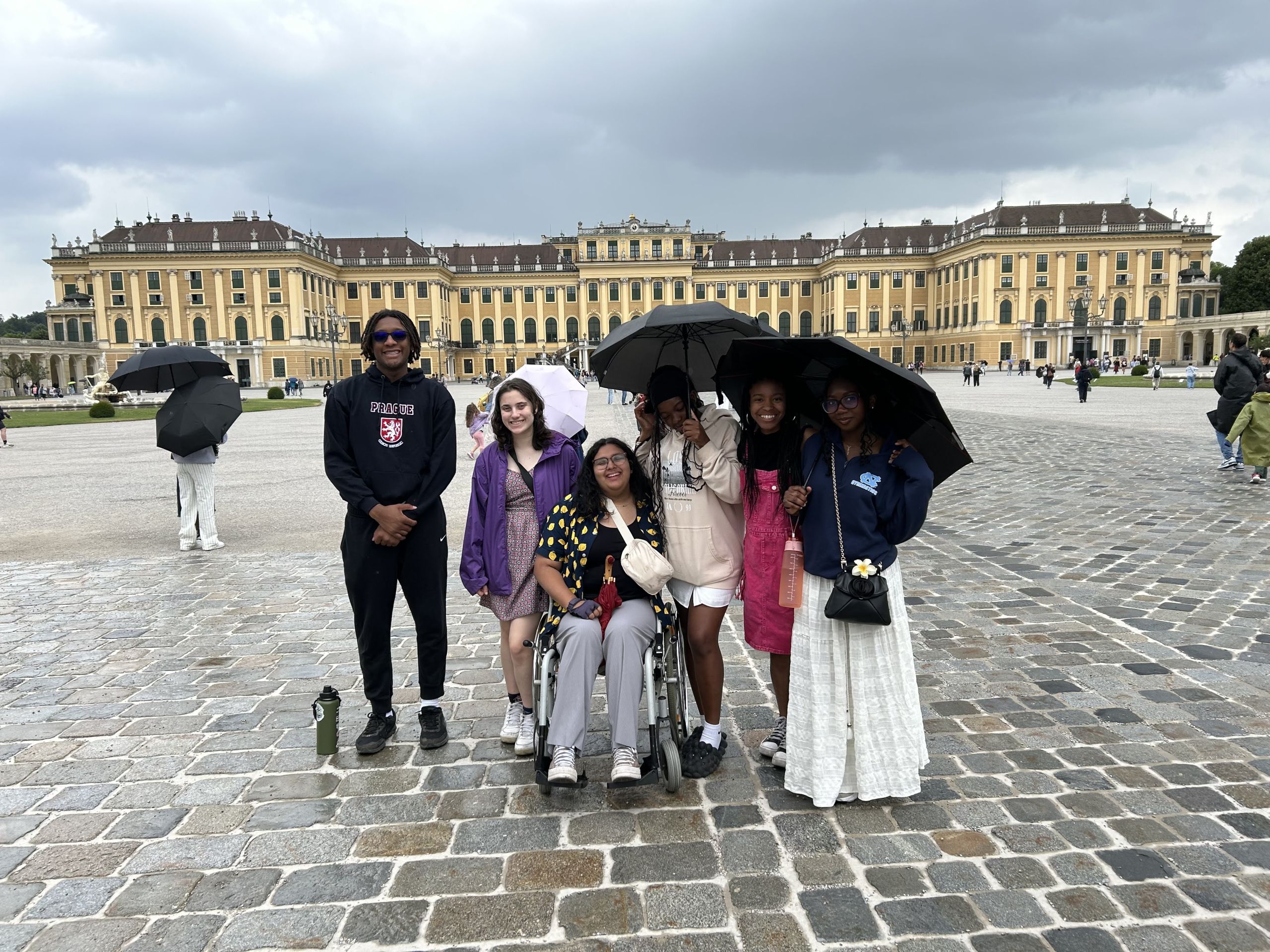
Visiting Europe, especially Auschwitz, was a profound eye-opener. You could feel the weight of the horrors that took place there. Seeing the photographs of prisoners, the piles of hair and shoes, and the personal belongings of victims made the history painfully human. Hearing the full truth of the Holocaust changed how I view the world and the people who choose to be bystanders. The stories highlighted how essential it is to stand up for your community and to step into difficult or uncomfortable situations if it means protecting others. I kept thinking about how many lives might have been saved if more individuals—and more nations, including the United States—had refused to look away. Learning about survivors who returned home with no family after years of torture and fear taught me the importance of courage, empathy, and refusing to be a passive witness to injustice.
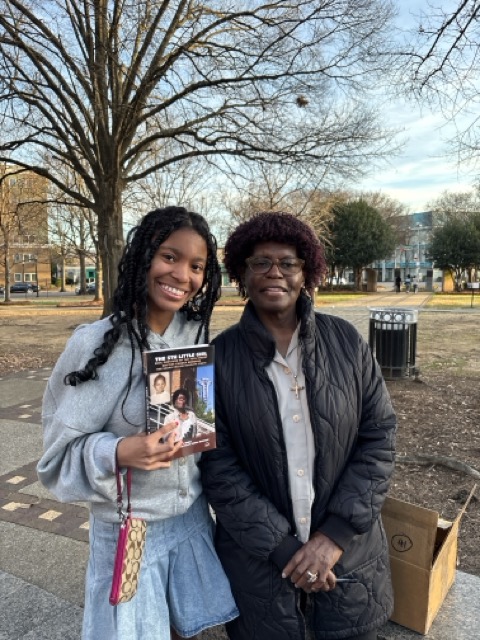
Traveling down South was a very different but equally impactful experience. I had always understood the dangers and violence African Americans faced in the past, but hearing the stories directly from victims and seeing the sheer number of people killed simply because of their skin color made the history feel even more real. Learning about the persistence of Dr. Martin Luther King Jr. and the countless African Americans who crossed the Edmund Pettus Bridge—despite the violence they had already endured—showed me what true determination looks like when fighting for justice. Hearing Sarah Collins Rudolph share her experience surviving the 16th Street Baptist Church bombing was especially moving. Imagining her day before and after the attack, and knowing she lost her sister, emphasized how ruthless and senseless the hatred was. Despite the constant threats and consequences, the Black community never gave up, and their resilience ultimately led to greater freedom. Their persistence demonstrated how essential courage and resilience are—not only in leaders, but in anyone committed to creating change.
ECYP prepared me to engage thoughtfully with both Jewish and African American history by giving me space to absorb the information and then reflect on it with my group. Our tour guides on both trips helped connect the past to the present, making the history clearer and more relevant. The parallels between the Jewish and African American experiences were striking: both communities were terrorized, dehumanized, and killed without reason. Both had to rely on each other for survival and strength. Seeing these connections—and learning about leaders like Dr. Martin Luther King Jr. and Rabbi Abraham Joshua Heschel—reflected ECYP’s commitment to leadership and learning across difference. We were able to share these experiences with people from different backgrounds and recognize the deep overlap between African American and Jewish histories, despite their unique contexts.
These experiences taught me lessons I will carry with me for the rest of my life. In the future, I hope to show up as a receptive, determined, resilient, understanding, and empathetic leader—someone who supports their community and is never afraid to show courage when fighting for a meaningful cause.