
Autumn with Sarah Collins Rudolph
By Autumn, ECYP Class of 2026
There are moments in life when history stops being something you read and becomes something you feel. For me, that moment happened at the National Memorial for Peace and Justice. Walking through that space, surrounded by the names of men, women, and children who were victims of racial terror, I felt a weight that was both crushing and clarifying. I thought about how easily these stories could have been erased, how often our pain is minimized, and yet how powerfully our resilience endures.
In that silence, I realized something that reshaped me: my community is miraculous. Despite centuries of oppression, displacement, and injustice, we are still filled with joy. Our spirits are still well. We still laugh, create, worship, lead, and love boldly. That understanding shifted how I see myself. I am not just the product of struggle; I am evidence of survival. And if I carry that truth, then leadership for me cannot simply be about achievement, it must be about honoring legacy, protecting dignity, and ensuring that the stories of the past fuel justice in the present.
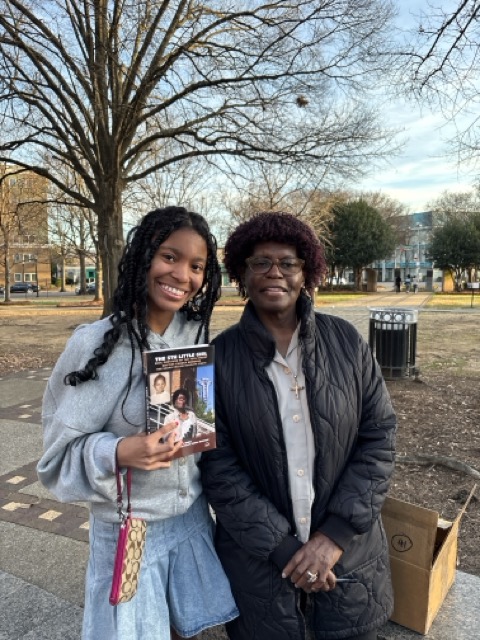
One story that will forever live in my heart is that Sarah Collins Rudolph. Listening to her journey of forgiveness after surviving the 16th Street Baptist Church bombing challenged me in ways I didn’t expect. Forgiveness, I learned is not about excusing harm, it is about refusing to let hatred shape your identity. She showed me that what people do to you does not have the power to define who you are or limit the impact you can have on your community. That lesson felt deeply personal. As a young Black leader, it can be easy to internalize the narratives placed on us by society. But her life is proof that we have agency. We choose who we become. We choose how we respond. We choose whether pain hardens us or refines us. I want to lead from a place of refinement, where strength and softness coexist, where conviction is paired with compassion.
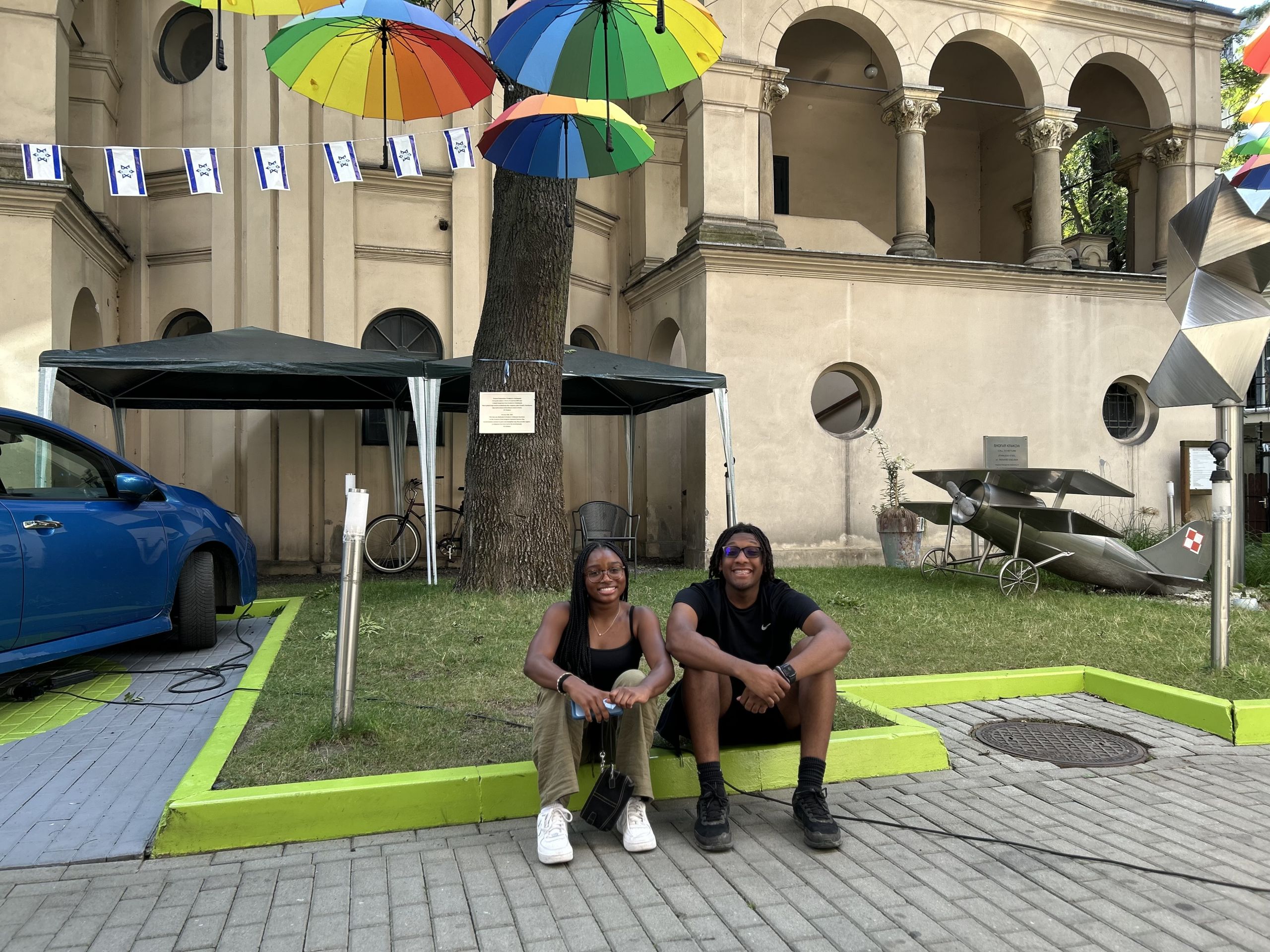
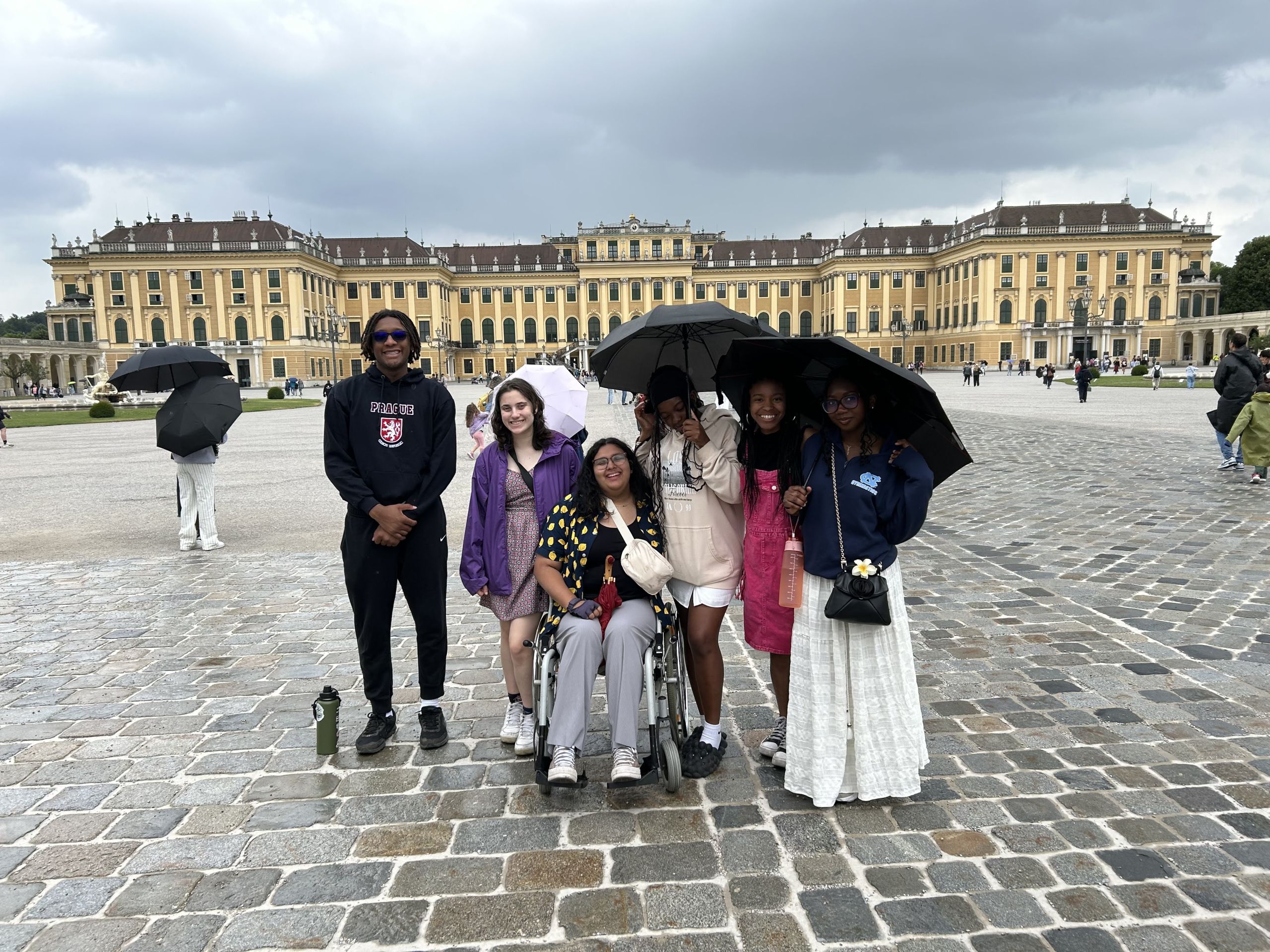
My experience learning about Jewish history and the Jewish Diaspora in Eastern Europe deepened this understanding even further. Studying centuries of displacement, persecution, and resilience alongside African American history forced me to see identity as both fragile and powerful. I saw how cultures survive through memory, tradition, and collective responsibility. I saw how injustice, though shaped differently across communities, leaves similar wounds and how healing requires solidarity. It challenged me to think beyond my own lived experience and recognize that justice is interconnected. When one community’s humanity is denied, it threatens us all. When one community rises, it creates space for others to rise too.
ECYP did more than take me to new places; it prepared me to engage with history thoughtfully and courageously. It taught me to ask deeper questions, to sit with discomfort, and to listen across differences without defensiveness. It showed me that empathy is not passive, it is active, intentional, and necessary for leadership. Through every conversation and every site visit, I began to understand that my voice matters. Even when it shakes. Even when it feels small. Leadership is not about waiting until you feel ready or qualified enough. It is about recognizing that you already carry power, the power to speak up, to challenge injustice, to build bridges, and to inspire change.
As I step into the next chapter of my life, I carry these lessons with me. I carry the resilience of my ancestors. I carry the courage of survivors like Sarah Collins Rudolph. I carry the understanding that identity is layered, sacred, and worth protecting. Most importantly, I carry the responsibility to lead with intention. In my school, in my community, and wherever my future path leads, I will show up grounded in truth and guided by empathy. I will strive to create spaces where others feel seen and valued. I will stand up for what is right, even when it is uncomfortable. These experiences did not just teach me about history, they taught me about myself. And the leader I am becoming is rooted in remembrance, strengthened by resilience, and committed to justice that reaches beyond me.